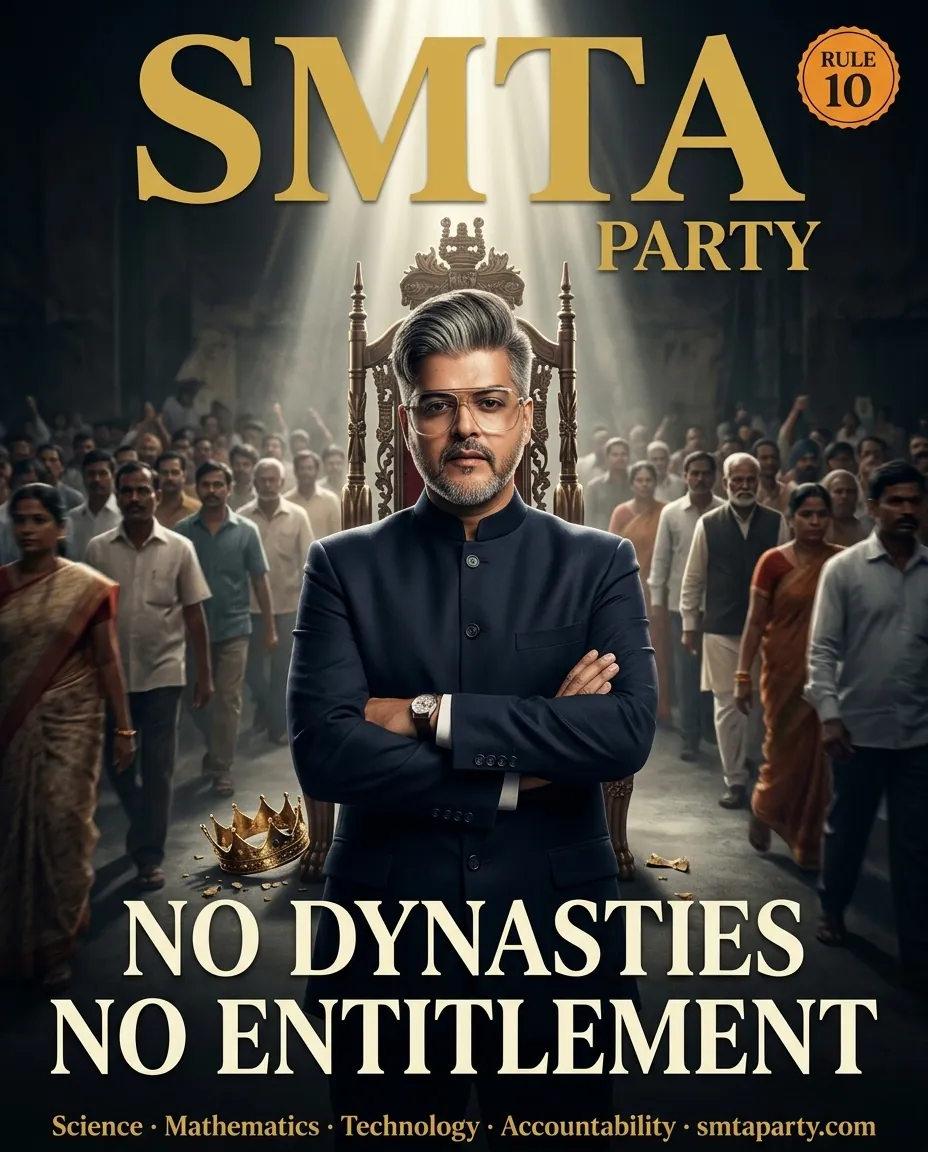
Born into it. Chose otherwise.
I was born into Indian politics. Not as a metaphor. Not as an outsider looking in. I was born into it the way some children are born into farming families or merchant families — it was the air, the conversation, the purpose that filled every room I grew up in.
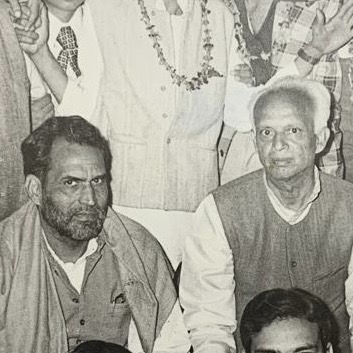
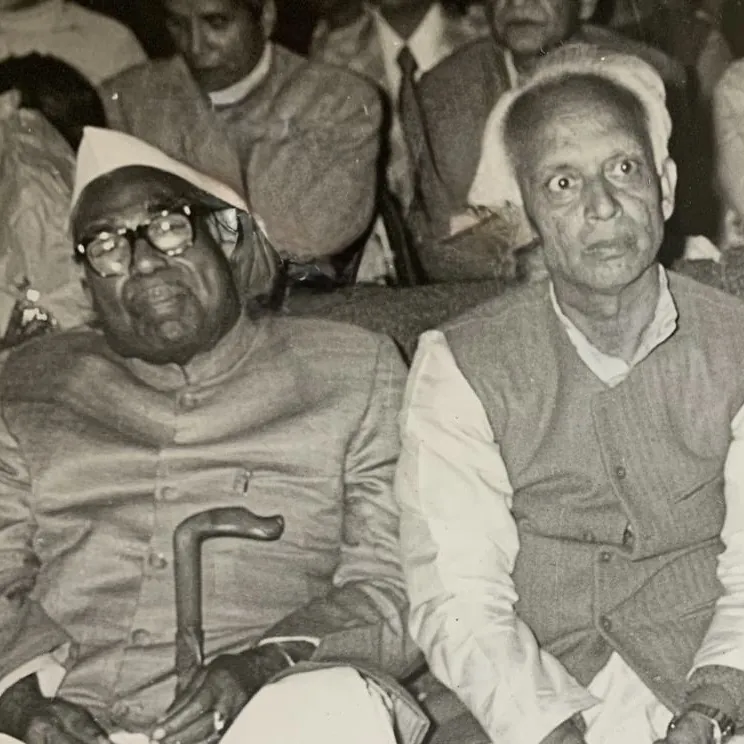
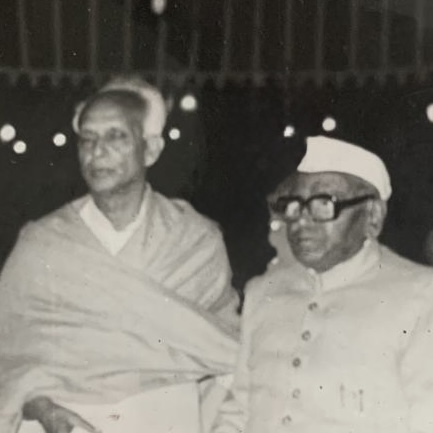
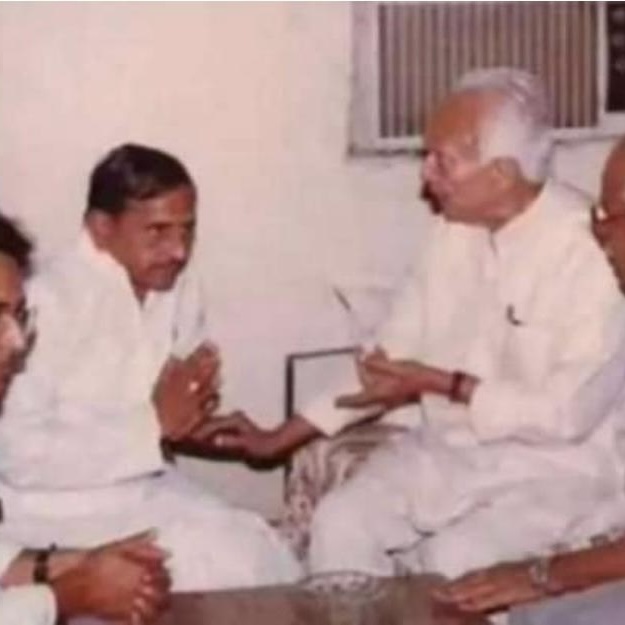
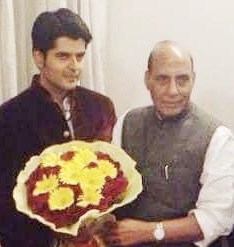
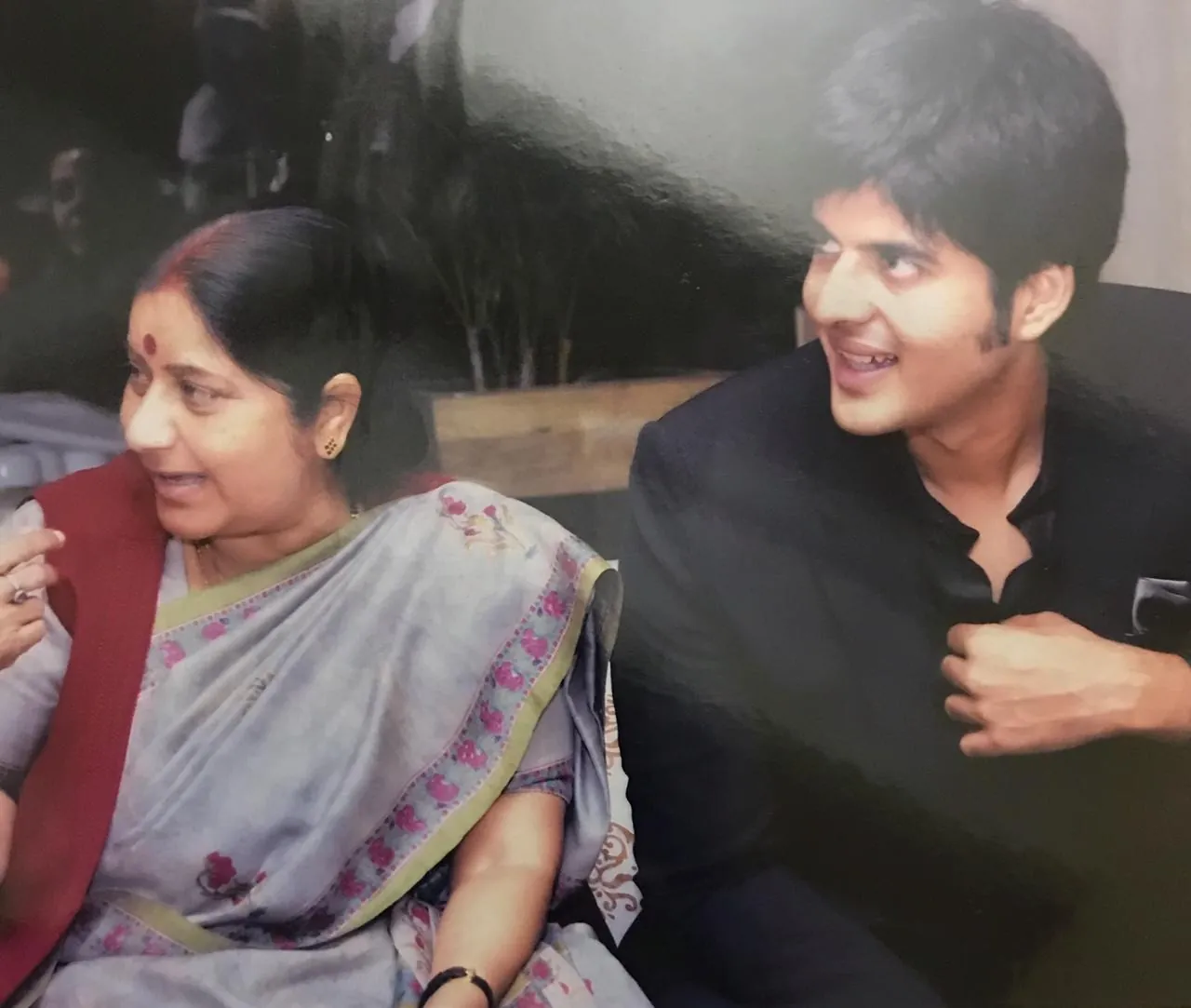
My grandfather served in Parliament during the Congress years of the 1970s and 80s. My father carried that legacy forward through the 1990s and beyond, serving until 2019. Between them, nearly half a century of parliamentary service. A name that meant something in Kushinagar, in Uttar Pradesh, in the corridors of Delhi.
I had every reason — every reason — to simply walk through the door they had opened. I chose not to.
The system, not the people.
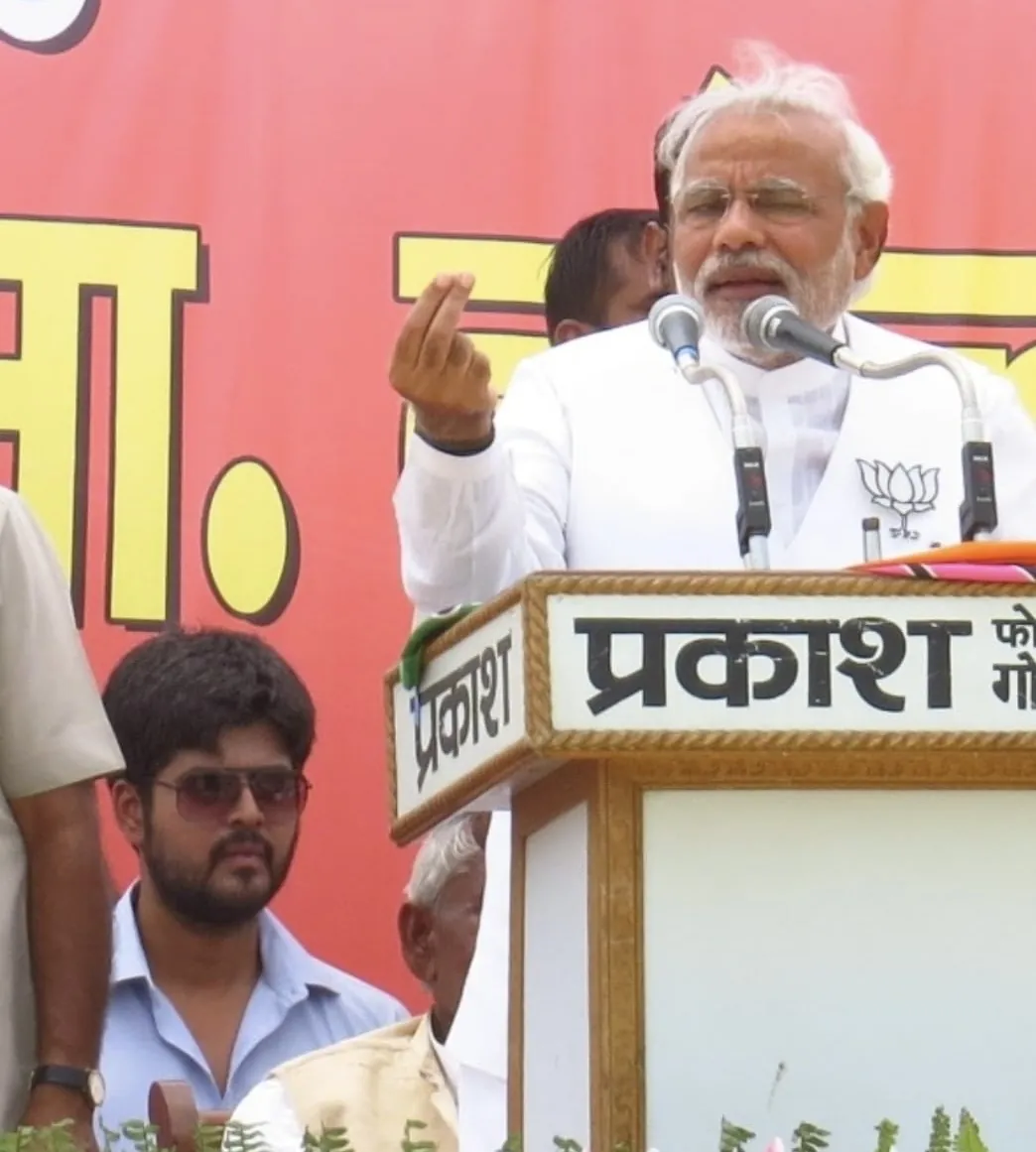
People who observe politics from the outside see what politicians want them to see. Speeches. Rallies. Promises. The performance of governance. People who grow up inside it see something different.
They see how decisions are actually made — and how rarely those decisions have anything to do with the people they are supposed to serve. The negotiations that happen before any public position is announced. Which promises were always intended to expire the moment the election was over.
The problem is not the people inside the system. The problem is the system itself.
I watched for eleven years.
Then came 2014. I will be honest — I felt it too. The energy, the possibility, the sense that something was finally about to change. The youth leaned in. The middle class leaned in. I leaned in.
Imagine a pot — ancient, heavy, placed at the centre of Indian political life. In 2014 it began to boil. It looked, finally, like elixir. Like the substance that would transform everything.
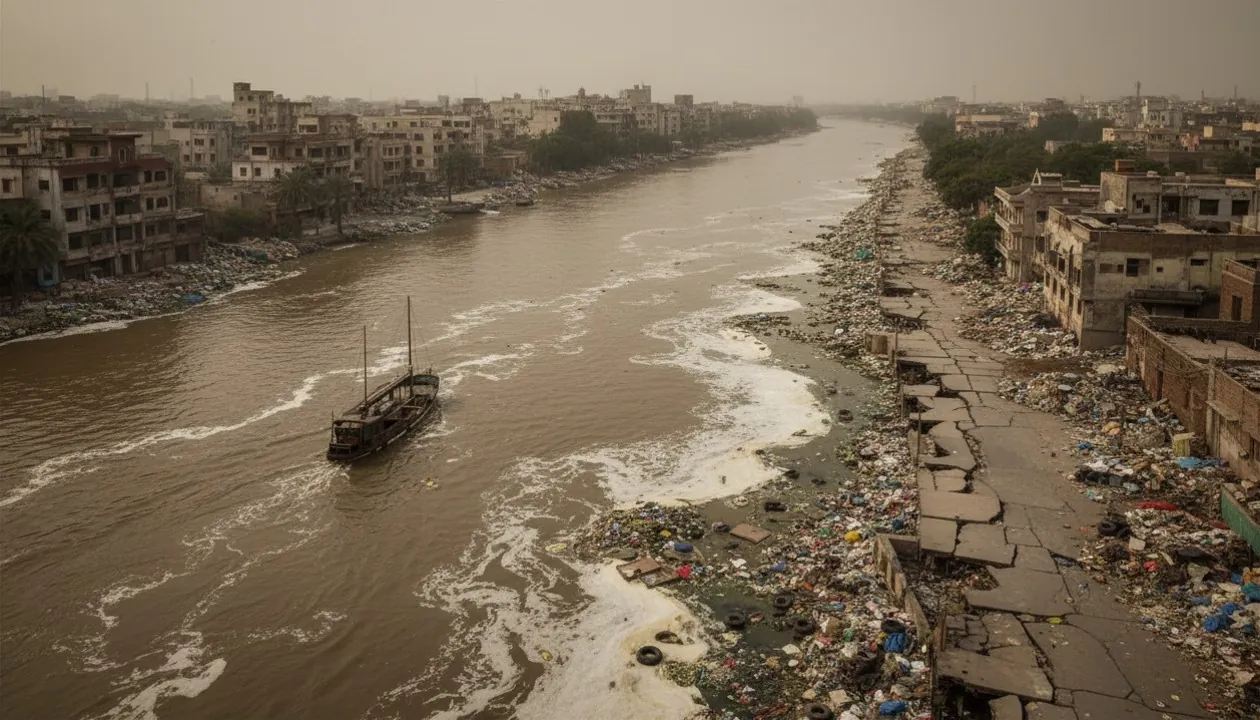
I watched for eleven years. The heat was real. The movement was real. But substance requires more than heat. What I watched was a pot that prioritised its own boiling over what it contained. Mythology where education should have been. Cultural spectacle where infrastructure should have been.
When I finally looked clearly — not with the eyes of someone who wanted it to be elixir, but with the eyes of someone willing to see what was actually there — the pot was empty.
Build the new operating system.
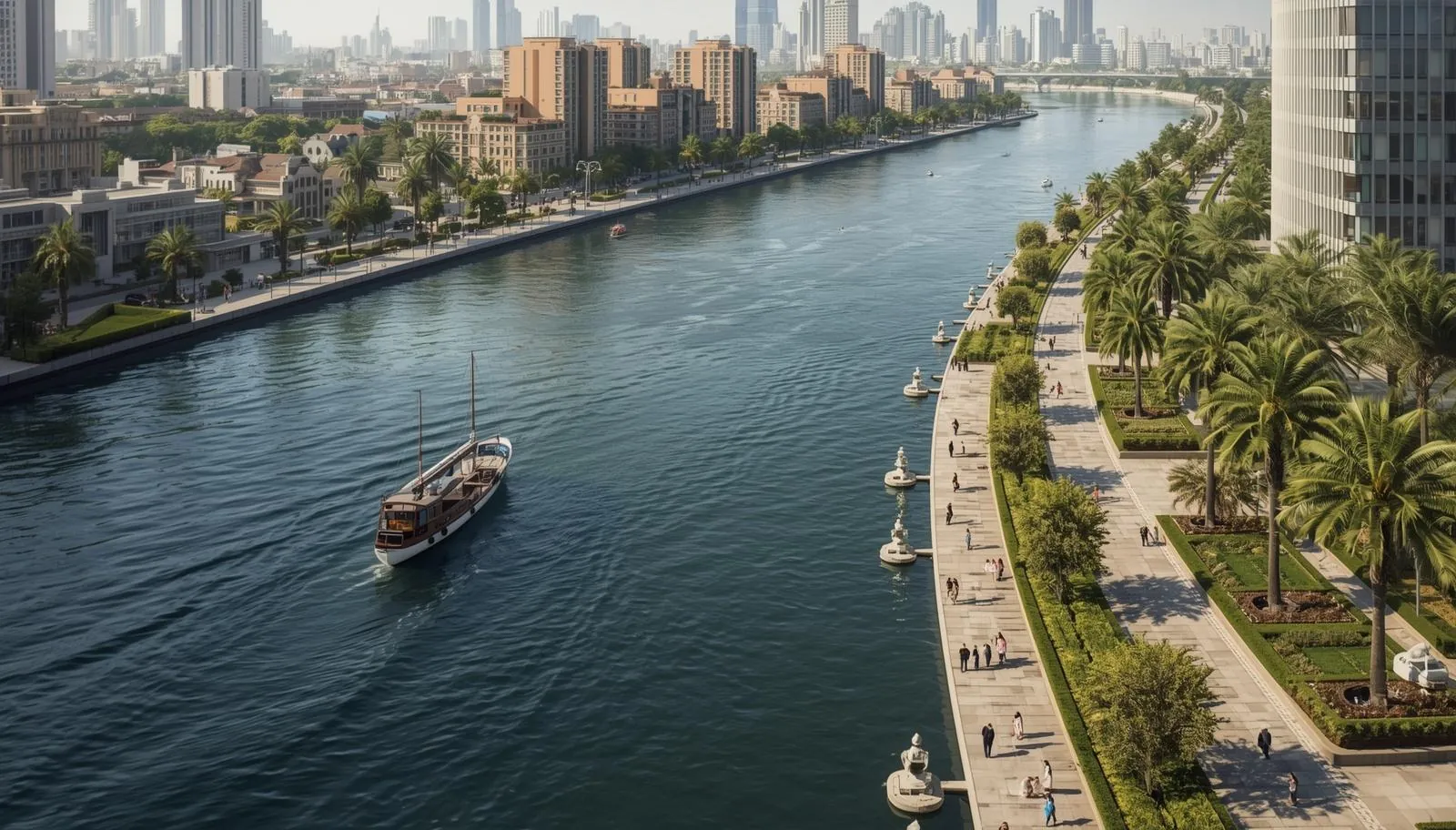
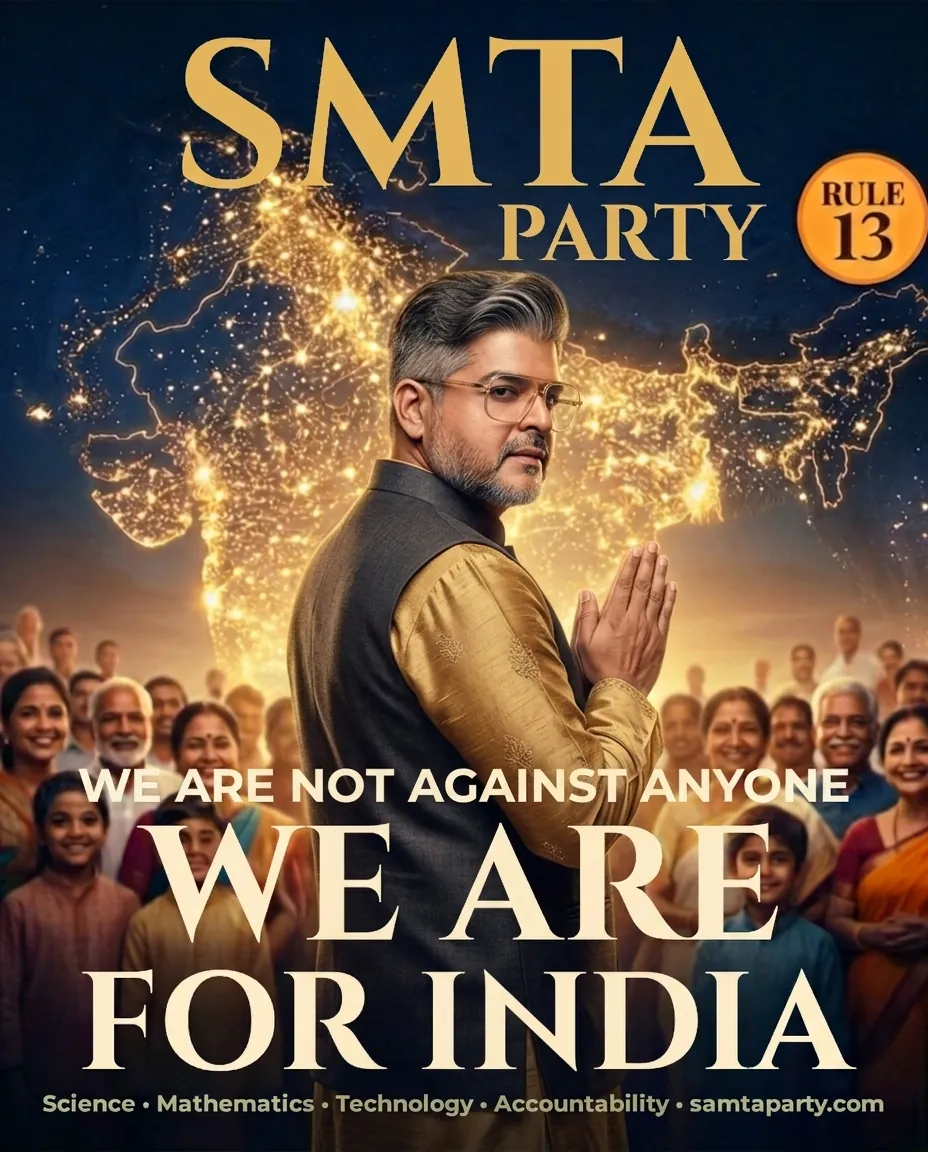
S.M.T.A. is not a reaction to any party. It is not built on opposition. It is built on a single, irreversible conviction: that India does not need a better version of the old politics. It needs an entirely new operating system.
Science, Mathematics, Technology, and Accountability are not modern inventions. They are ancient ones — as old as the man who sat under a tree in Kushinagar, looked at suffering with open eyes, and asked: why does this happen, and what can be done?
That question — applied to governance, to education, to infrastructure, to the lives of 150 crore people — is everything S.M.T.A. is.